HikingPatagoniaWaterproof Jacket
Patagonia Triolet waterproof hardshell long-term review: reliable weather protection
A reliable, durable and stylish waterproof hardshell — four years, thousands of miles, and ours still looks as good as new.
✓ Top PickPatagonia Triolet
Weight510 gWaterproofing30,000 mm HHPrice£390
The good✓ Very reliable waterproofing
✓ Huge pit zips
✓ Very smooth zips throughout
✓ Adjustable helmet-compatible hood
✓ Wrists cinch down over gloves
✓ Numerous pockets inc. dump pocket
✓ Built-in RECCO reflector
✓ Great-looking — wears well in town too
✓ Incredibly durable 70D outer
The not-so-good✗ Expensive at £390
✗ Relatively heavy at 510 g
At a glance
| Brand | Patagonia |
| Model | Triolet Alpine Climbing Jacket |
| Price | £390 |
| Weight | 510 g |
| Waterproofing | 3-layer GORE-TEX, 30,000 mm HH, PFC-free ePA membrane |
| Outer shell | 70-denier recycled polyester |
| Notable features | RECCO reflector, pit zips, dump pocket, helmet-compatible hood, PFC-free DWR |
| Ideal for | Winter mountaineering, wet-weather hiking, backpacking, snowsports, general wear |
| Not suitable for | Trail running, fastpacking, ultralightweight activities |
Overview
The Patagonia Triolet is a rugged, versatile and very hard-wearing waterproof jacket from one of the most beloved brands in the business. Designed to keep you safe on Alpine mountaineering trips and to keep you dry in a deluge, it comes with a comfortable fit that allows full freedom of movement, numerous pockets both inside and outside, huge pit zips for dumping heat and a helmet-compatible, fully adjustable hood.
Thoughtfully designed, the Triolet delivers everything you need from a burly waterproof hardshell. It has been constructed from a PFC-free ePA membrane that gives the jacket a 30,000 mm hydrostatic head rating, while the tough 70-denier outer makes this one of the most durable and rugged jackets in its class. Hailing from one of the most environmentally conscious brands in the outdoor industry, the Triolet features GORE-TEX’s new ePA membrane, a fully recycled polyester outer and a PFC-free DWR coating — great eco-credentials in a part of the market that is famously bad for the planet.
On average, the Patagonia Triolet weighs 510 grams when dry, which is far out of the realm of ultralight. When compared to models in this price range, it is a clear heavyweight: it weighs 120 grams more than the similarly priced Arc’teryx Beta LT, 100 grams more than the pricier Berghaus Mountain Guide Alpine Pro, and is only 15 grams lighter than the substantially cheaper Alpkit Definition.
When bought directly from Patagonia, the Triolet will set you back £390. Naturally, this puts the jacket way outside the bounds of affordability for many. When you compare it with other jackets in its class, however, the Triolet is actually reasonably competitive. The Arc’teryx Beta LT costs £400, the Berghaus Mountain Guide Alpine Pro comes in at £500, and the Rab Kangri — Rab’s equivalent fully-featured mountaineering hardshell — will set you back £330 but weighs 15 g more and comes with a 28,000 mm hydrostatic head rating, 2,000 shy of the Triolet’s 30,000 mm benchmark.
How we tested
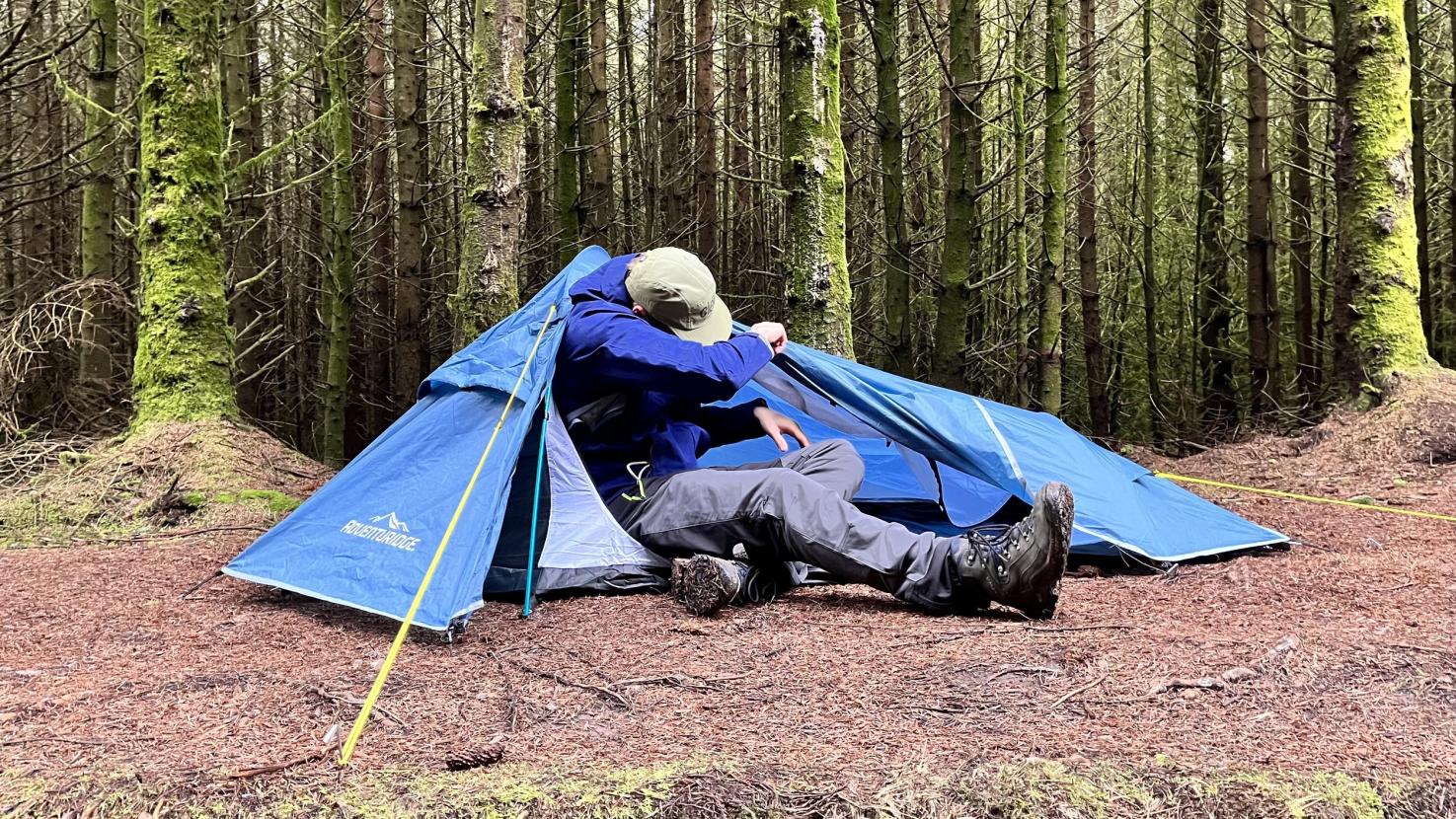
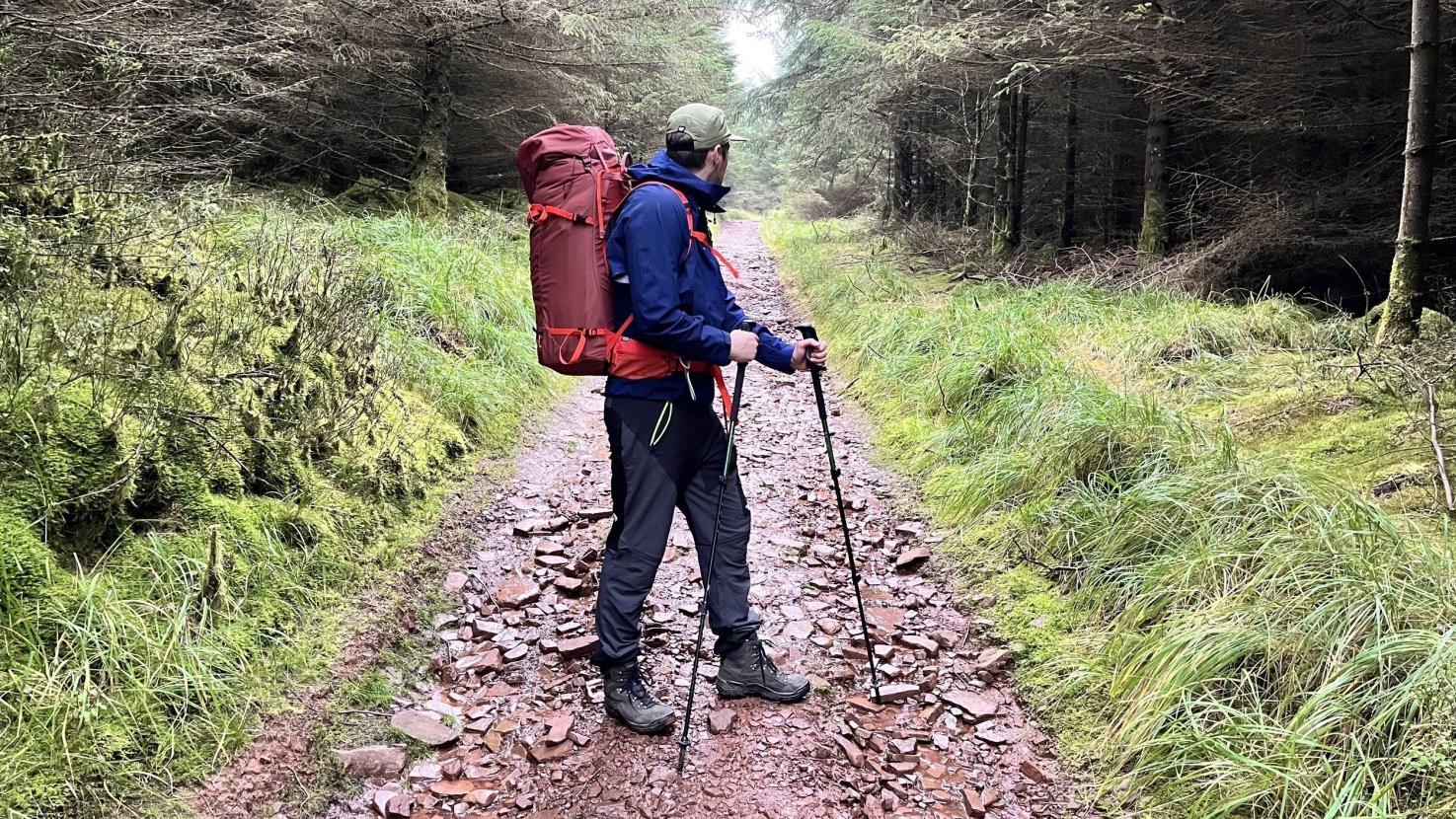
In total, we have had our hands on a Patagonia Triolet for 4 years. In that time, we have used it in pouring rain, driving snow and beating wind. We have taken it on multi-day hikes through the Brecon Beacons in practically all seasons, used it on thru-hikes of Dartmoor National Park, worn it on several-day circulars in the Lakes, and it has kept us safe on many Scottish winter mountaineering trips. We have also worn it skiing, used it on hot summer days when the rain just will not let up, and even wore it as a last resort on a 30-km trail run through the Swiss Alps when we left our lightweight Marmot Precip Eco at home. It is our most worn waterproof layer, having racked up thousands of miles on the trail over the last four years. And the best part? It still looks as good as new.
Features and performance
Looks
The first thing we really appreciate about the Patagonia Triolet is the relatively clean look of the jacket. Unlike many other technical mountaineering hardshells, all of the Triolet’s features are tucked away into the coat: when not in the mountains, it almost looks like a regular waterproof you might throw on on a rainy morning commute. When it comes to certain garments, it is always a shame when they are resigned to only a few outings a year due to the overly technical nature of their design. The Patagonia Triolet stands out here — looking as good in the streets as it does in the hills, which makes for an incredibly versatile hardshell you can always turn to.
Waterproofness and breathability
When it comes to waterproofness, the Patagonia Triolet does a phenomenal job of fending off rain and keeping you dry. Seriously, this tank of a hardshell is endlessly impressive: water has never got inside ours once, aside from the inevitable soaking up through the wrist cuffs or the spray in through the hood. In regards to breathability, we have also been repeatedly impressed. As with any PFC-free GORE-TEX jacket, however, the Triolet only breathes when it is dry. If you have a fresh layer of DWR coating on the Triolet, water will bead off well and keep the garment breathing even in a downpour. But as soon as the coat wets out, the jacket loses its ability to breathe effectively. For that reason, we have often worked up quite a sweat when charging up hills in rainy conditions — but good luck finding a waterproof jacket that solves this problem. In comparison to cheaper models, the Patagonia Triolet breathes very well — to the degree that we have never wished for another jacket, even during high-intensity cold-weather activities like skiing.
How to keep your hardshell breathable: As with other waterproof jackets made from more environmentally friendly materials, you will need to continually top up the DWR coating on the outside. This prevents the jacket from wetting out, keeping it breathable for longer. Wash and reproof with Nikwax Tech Wash a couple of times a season, then top up the outer shell with Nikwax TX.Direct Spray-On DWR.
Windproofness
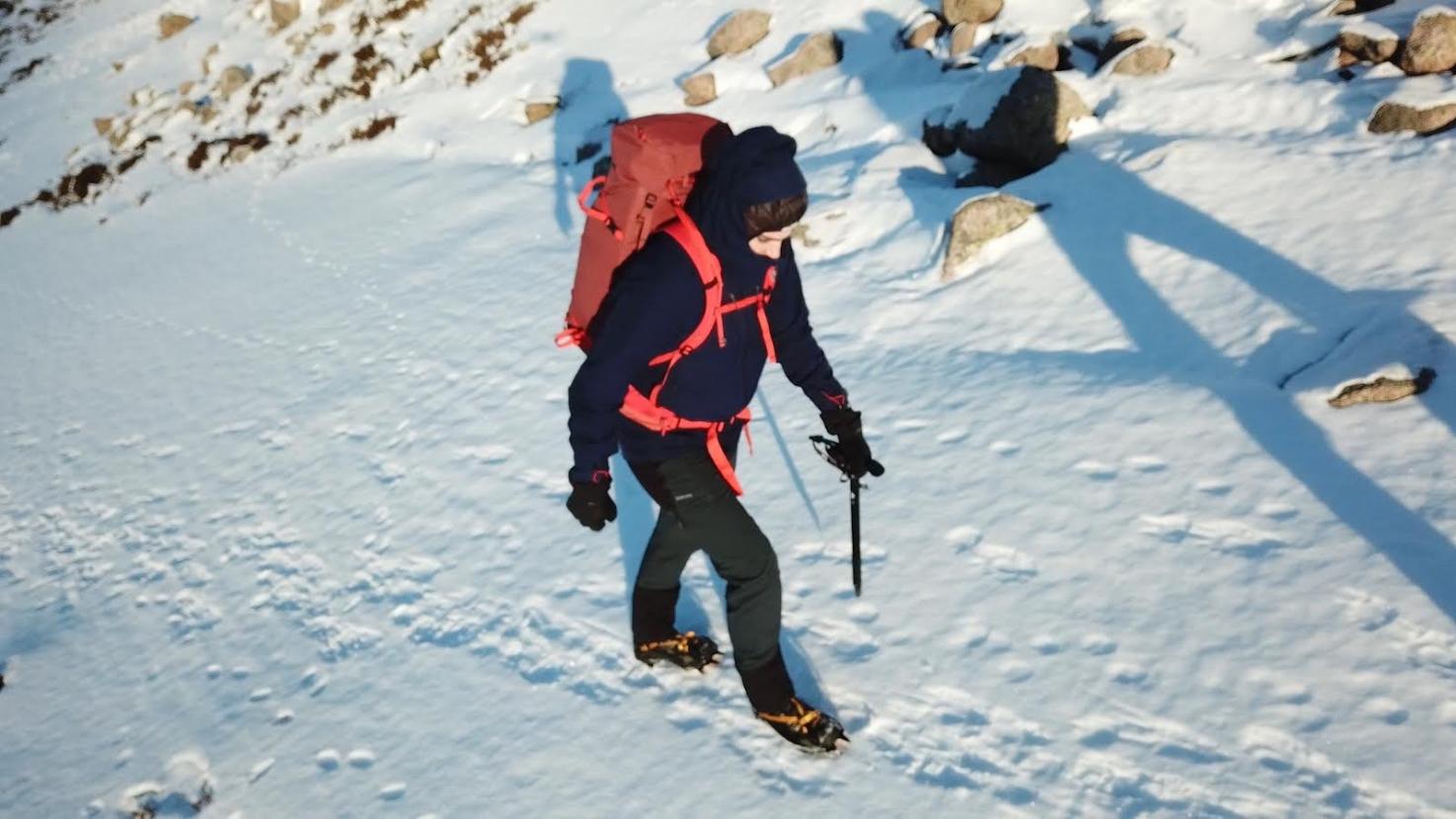
As with all alpine mountaineering hardshells, the Patagonia Triolet makes easy work of the wind. Even in gale-force conditions, all you have got to do is zip this thing up and you are instantly safe inside. In our experience, the wind simply cannot penetrate it, meaning we have taken to wearing it as a windproof layer even on days when there is no rain forecast.
“It is our most worn waterproof layer, having racked up thousands of miles on the trail over the last four years. And the best part? It still looks as good as new.”
Extra features
A true alpine mountaineering hardshell, the Patagonia Triolet comes fully featured and jampacked with design choices that can tangibly improve your experience in the mountains. Firstly, the toggles to cinch down the hood are so easy to use. Situated just under your chin, you can easily grip these even wearing thick winter climbing gloves to pull the hood tight. And for the waist adjuster, you simply need to pull the drawcords found inside your pockets tight to batten down the hatches and stop any draughts from entering the jacket from below.
The Patagonia Triolet also comes with a built-in RECCO reflector so that search and rescue teams can more easily locate you should there be an avalanche. This is a detectable chip that is searchable via radar — it helps teams with the corresponding device find you more easily by pinging a signal back when they are near your location. Additionally, the jacket features a large dump pocket for carrying items inside your jacket, two chest pockets for easy use when wearing a harness, and two large hand pockets with smooth, easy-to-use zippers. The toggles on these can be a bit finicky, so we have always found it easier to remove our gloves before fiddling around with them — a minor complaint that does not really affect the otherwise stellar performance of the coat.
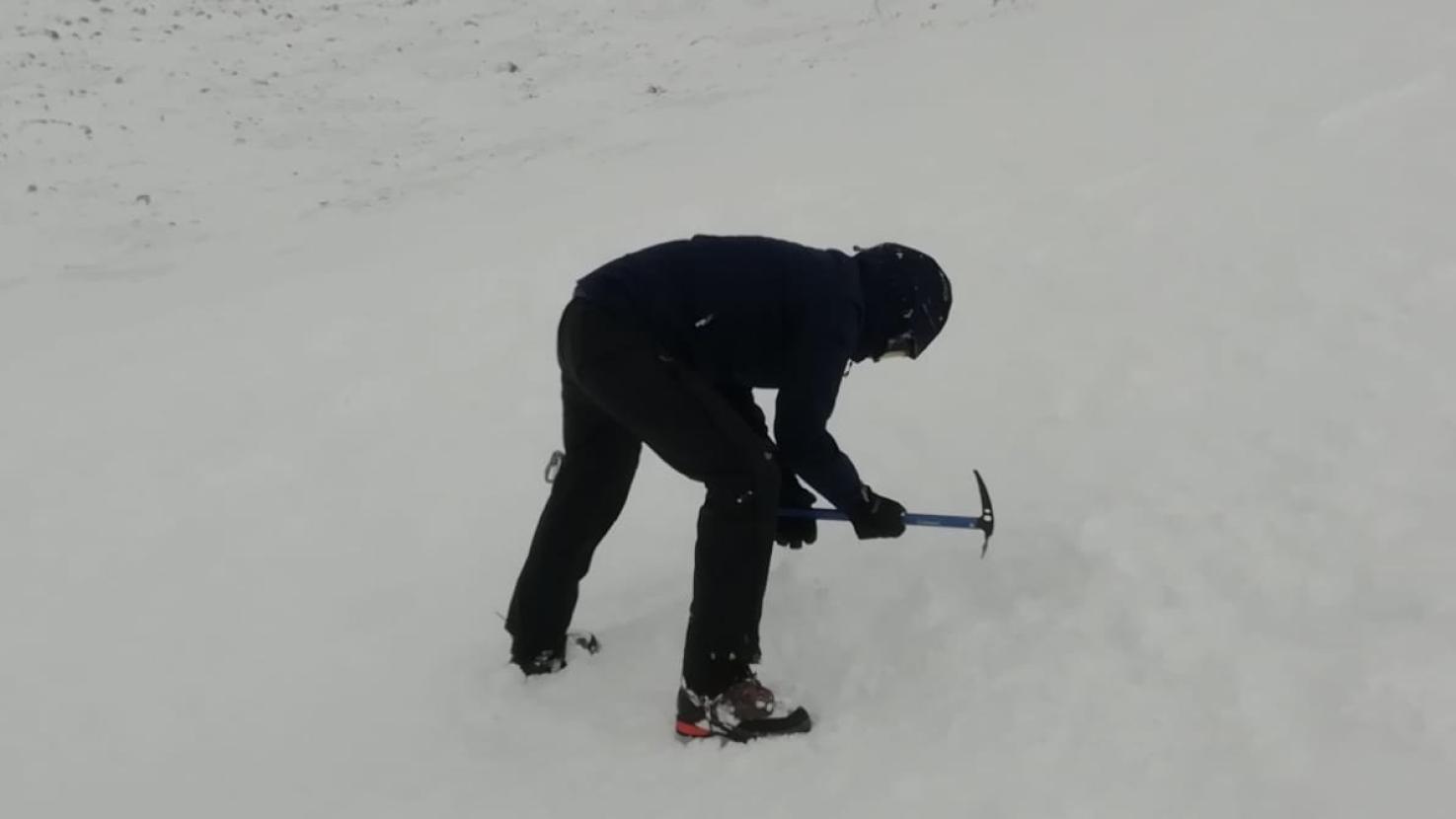
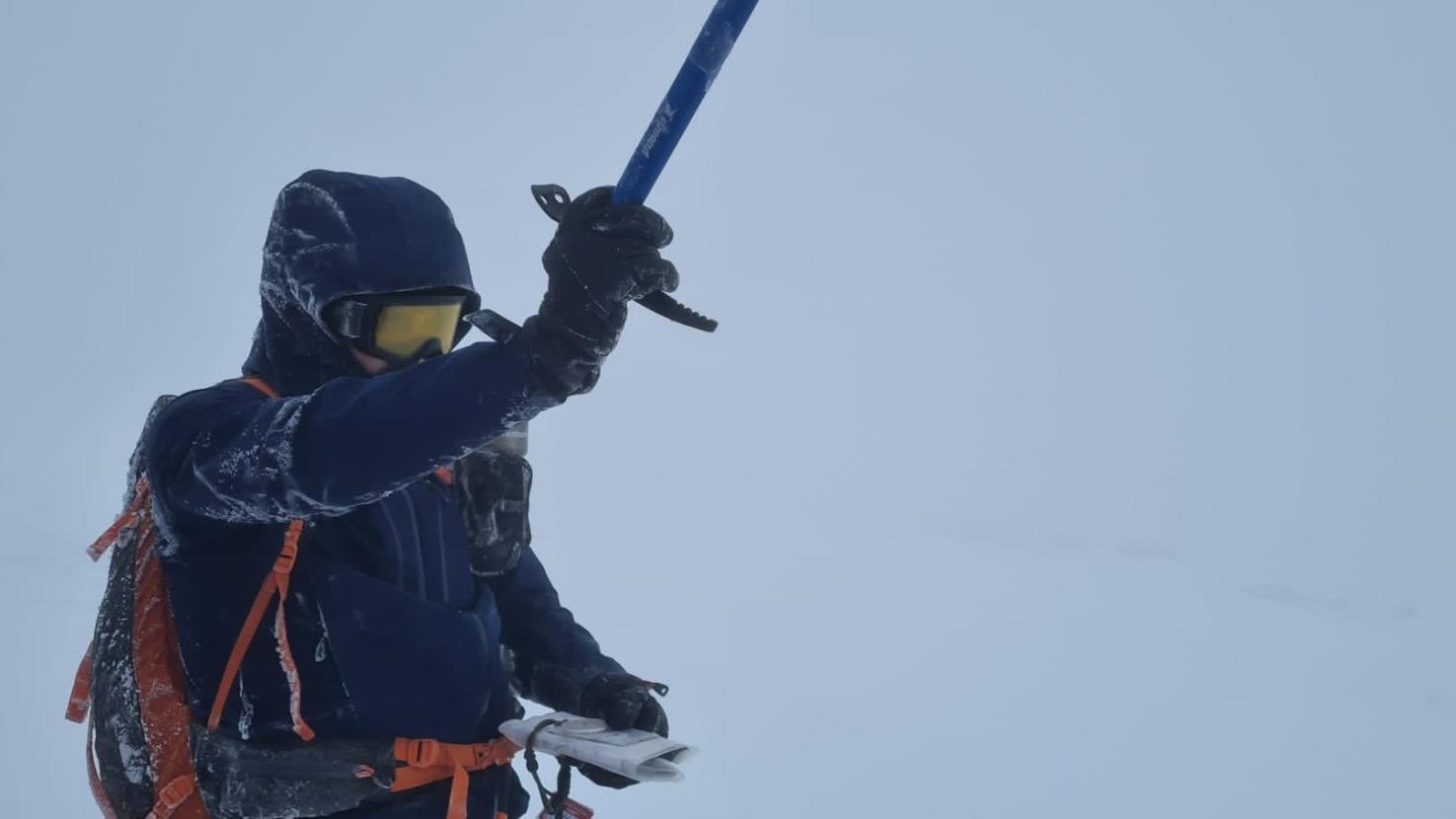
Working up a sweat building a snowhole in the Cairngorms.
Weight, packability and fit
When dry, the Patagonia Triolet weighs 510 g. For the performance, this slight weight penalty is one we have never been too concerned about. That said, there are lighter models out there — such as the Arc’teryx Beta LT — which may be more suited to weight-conscious alpine mountaineers. As for packability, the jacket can be squashed down to the size of a small training football, or pressed flat to sit at the top of your pack. In all honesty, we were a little surprised at how large the pack size is when we first got this coat. But having carried it around all four corners of the UK over the last 4 years, it has never once been an issue — and the performance has always more than made up for its comparably larger weight and pack size.
As with many Patagonia products, the fit of the Triolet is decidedly boxy. Even though this might look a little square on some people, it does mean that you can comfortably layer up under it — something you will be thankful for on the coldest mountain days. What is more, the fit allows for solid freedom of movement, meaning you can raise your hands above your head without any pushback from the thick material, which makes the jacket comfortable to wear even on the longest days.
| Ready for your next adventure?Walk Britain’s national parks with an expert who knows themJoin guided day hikes across the Lake District, Dartmoor, Eryri and more.Browse hiking trips → |  |
Our verdictA phenomenal all-round mountain coat — and the only waterproof hardshell you may ever need.Overall, we love the Patagonia Triolet. It is so rugged, reliable and good-looking that it is simply a phenomenal all-round mountain coat. It performs amazingly in the wind, keeps you safe and dry in the worst British weather imaginable, and is reasonably small and easy to carry considering its performance. Feature-rich and designed with the end user in mind, it performs well across a huge variety of conditions, from windy spring meanders to brutally stormy Scottish winter mountaineering days.Granted, it is pricey. But being competitive with other products in its category, we consider the Patagonia Triolet a solid buy — and we would have no qualms about buying a replacement the second we wear this thing out. Which, to be clear, we do not expect to need to do any time soon. Even after four years of very frequent use, ours still looks as good as new.
FAQs
How waterproof is the Patagonia Triolet waterproof jacket?About as waterproof as these types of jackets get. Manufactured from a 3-layer GORE-TEX fabric with a 30,000 mm hydrostatic head rating, we have worn it on 12-hour hikes where the rain has barely let up — and aside from water soaking up through the cuffs and the inevitable bits that get in through the hood, it has always kept us bone dry.
How breathable is the Patagonia Triolet?Surprisingly breathable for such a thick and durable waterproof hardshell. Giant pit zips help dump heat on the go, and you can easily wear it all day on long winter hikes without building up too much of a sweat. To optimise breathability, keep on top of the DWR coating by reprooofing a couple of times a season.
How does the Patagonia Triolet perform in UK winter conditions?Excellently. The 3-layer GORE-TEX fabric with 30,000 mm HH rating easily staves off the worst British weather — deluges, snow and brutal wind alike, including the conditions you face in the Cairngorms. Numerous pockets and two giant pit zips make it well-suited to long, cold days in the hills.
Is the Patagonia Triolet worth the money?Yes. Durable, reliably waterproof, excellent breathability, feature-rich and good-looking enough to wear around town. It is expensive, but if you are looking for a robust do-it-all jacket that can handle all but the hottest of days, the Triolet is a worthy investment.
How durable is the Patagonia Triolet?Very. The 70-denier recycled polyester outer is practically bombproof. Bracken cannot snag it, and scraping against rough rock will barely leave a scratch. It is one of the most durable hardshells in its class — and after four years of very frequent use, ours still looks as good as new.